
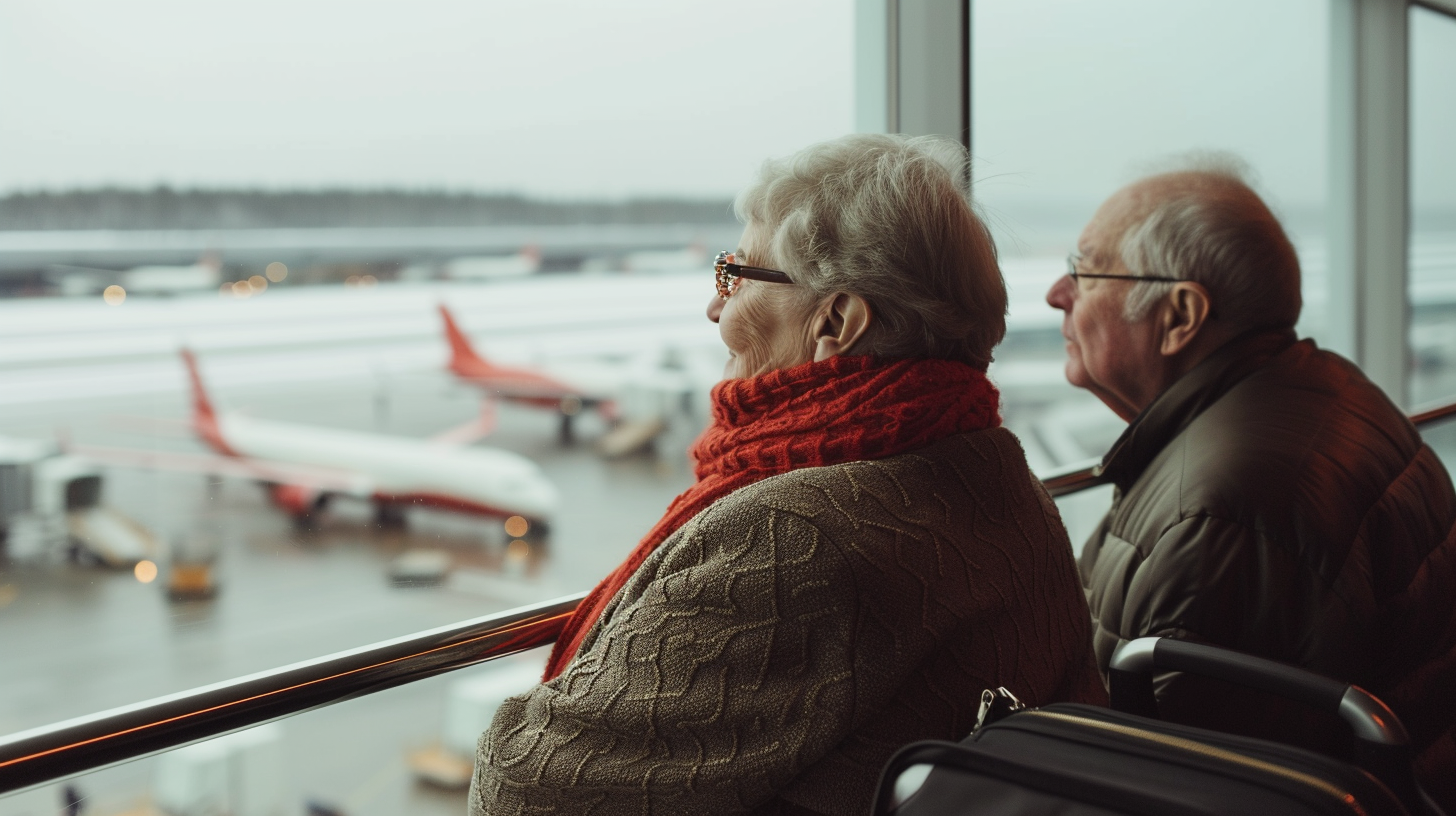
Traveling can be an enriching and exhilarating experience at any age, and senior travelers have just as much wanderlust as the next person. With the United States offering a vast array of destinations from the bustling streets of New York City to the serene landscapes of the Grand Canyon, air travel becomes an essential part of exploring this vast country. However, navigating airports, staying comfortable on long flights, and ensuring health and safety can present unique challenges for senior travelers. “Senior Flyers: Essential Air Travel Tips for a Smooth Journey” is your comprehensive guide to overcoming these challenges and making your journey as smooth and enjoyable as possible. Whether it’s your first time flying in years or you’re a seasoned traveler looking to refine your travel strategies, this article provides essential tips to enhance your travel experience. From preparing for your trip to making the most of your destination, we’ve got you covered every step of the way. So, buckle up and get ready to embark on a sky-high adventure that caters specifically to the needs and comforts of senior travelers.
Preparing for Your Trip
Embarking on an air travel journey in the USA requires careful preparation, especially for senior travelers who might have specific needs and preferences. Here’s how to ensure everything is set for a smooth and comfortable experience from the moment you leave your home to the instant you board the plane.
- Booking Your Flight: When booking your flight, consider the time of day that best suits your energy levels and routine. Early morning flights might offer smoother experiences with fewer delays, but ensure you’re comfortable with waking up and reaching the airport on time. Many airlines and travel websites provide options to filter flights by specific needs, such as wheelchair accessibility or dietary preferences. Don’t hesitate to call the airline directly if you have questions about their services for seniors.
- Choosing the Best Seats: Comfort is key during your flight. Opt for aisle seats if you prefer easy access to the lavatory or to stretch your legs frequently. Window seats are ideal for those who want to rest against the side of the plane without being disturbed. Consider paying a little extra for premium seats that offer more legroom and comfort, especially on longer flights.
- Understanding Senior Discounts: Several airlines offer discounts to senior travelers, though they might not always be advertised online. It’s worth calling the airline or speaking to a travel agent to inquire about any available senior discounts. Remember, the best deal might not always come with a discount, so compare options to find what best meets your needs in terms of convenience and service.
- Health Considerations: Schedule a visit to your doctor before booking your trip, especially if you have any pre-existing medical conditions or concerns about flying. Discuss your travel plans and ensure you have enough medication for the duration of your trip, along with a doctor’s note describing your condition and medication requirements.
- Travel Insurance: Consider purchasing travel insurance that covers medical emergencies, trip cancellations, and lost luggage. This is particularly important for senior travelers, as it provides an extra layer of security and peace of mind while traveling.
- Early Check-in: Take advantage of early check-in options available online to save time and avoid long lines at the airport. This also gives you the opportunity to confirm your seat selection and make any last-minute adjustments to your travel plans.
By following these preparatory steps, senior travelers can ensure a more relaxed and enjoyable air travel experience. The key is to plan ahead, ask questions, and prioritize your comfort and health every step of the way.
Navigating the Airport
Airports can be daunting with their vast size, bustling crowds, and complex layouts. However, with the right approach, senior travelers can navigate these spaces with ease and confidence. Here’s how:
- Arriving Early: Giving yourself plenty of time upon arrival at the airport can significantly reduce stress. Aim to arrive at least 2 hours before domestic flights and 3 hours for international flights. This extra time allows for a leisurely check-in, security clearance, and finding your gate, with ample time for rest stops along the way.
- Security Clearance: Security checks are a necessary part of air travel. To expedite this process, wear easily removable shoes, limit jewelry, and have your ID and boarding pass readily accessible. TSA PreCheck, a program designed to speed up security checks for pre-approved travelers, is worth considering for frequent flyers. Seniors over 75 years old have the added benefit of being allowed to keep their shoes and light jackets on during screening.
- Utilizing Mobility Services: If you anticipate needing assistance navigating the airport, contact your airline in advance to arrange a wheelchair or cart service. These services can help you manage long distances within the airport and are usually available at no extra cost. Remember to request these services at the time of booking or a few days before your flight.
- Airport Lounges: For a more comfortable wait, consider spending time in an airport lounge. Many credit cards and frequent flyer programs offer complimentary or discounted lounge access. These spaces provide a quieter environment, comfortable seating, refreshments, and sometimes even showers to freshen up before your flight.
- Staying Informed: Keep an eye on the airport’s display boards for any changes to your flight’s gate or boarding time. Most airports also offer apps or text alert services to keep you updated on your flight status. Don’t hesitate to ask airport staff for assistance or directions if needed.
- Health and Hydration: Airports can be dry and dehydrating environments. Keep a refillable water bottle with you to stay hydrated, and take advantage of water refilling stations around the airport. Remember to consume light meals and snacks to maintain your energy levels without feeling weighed down.
By following these tips, senior travelers can navigate airports with greater ease and less anxiety. The goal is to make the journey as smooth and enjoyable as the destination itself.
Health and Safety on Board
Flying, especially on longer journeys, requires attention to your physical well-being. Here are strategies to ensure you arrive at your destination feeling as good as when you departed:
- Stay Hydrated: The low humidity levels in airplane cabins can lead to dehydration. Drink plenty of water before, during, and after your flight. Avoid excessive alcohol and caffeine, as these can exacerbate dehydration and affect sleep patterns.
- Move Regularly: Sitting in one position for an extended period can increase the risk of deep vein thrombosis (DVT). Take advantage of moments to stand up, stretch, and walk down the aisles when it’s safe to do so. Simple exercises like rotating your ankles, stretching your legs, and flexing your muscles can also help improve circulation.
- Manage Medications: Ensure you have all necessary medications in your carry-on, not in checked luggage. Consider time zone changes and plan your medication schedule accordingly. A pill organizer can be helpful in keeping everything in order. It’s also wise to carry a doctor’s note for any prescription medications to avoid issues during security checks or onboard.
- Eat Lightly: Choose light meals and snacks that are easy on your stomach. Airlines typically offer special meal options that can be reserved in advance, including low-sodium or diabetic-friendly meals. Eating light can help you feel more comfortable and avoid digestive issues during your flight.
- Wear Comfortable Clothing: Dress in layers to easily adjust to changing cabin temperatures. Wear loose, comfortable clothing and compression socks to support circulation. Comfortable shoes that can be easily removed will help you stay relaxed and facilitate movement during the flight.
- Use Support Items: A neck pillow, blanket, and noise-cancelling headphones can greatly enhance your comfort on board. These items can help you relax, sleep better, and reduce the impact of cabin noise and light.
- Communicate Your Needs: Don’t hesitate to inform flight attendants of any specific needs or concerns you may have during your flight. Whether it’s assistance with luggage, dietary restrictions, or simply needing an extra blanket, airline staff are there to make your journey as comfortable as possible.
By prioritizing your health and safety with these tips, senior travelers can enjoy a more comfortable and worry-free flight. It’s all about taking the right precautions and making small adjustments to ensure your wellbeing in the air.
Packing Essentials
Packing smartly can make a significant difference in your travel experience, especially for senior travelers. Here’s a checklist of carry-on essentials that cater to both comfort and convenience:
- Essential Documents: Ensure you have your ID, passport (for international flights), boarding pass, and travel itinerary easily accessible. A small, secure travel wallet or organizer can help keep these important documents safe and organized.
- Medications: As mentioned earlier, carry all necessary medications with you, including over-the-counter remedies for common travel ailments like motion sickness, pain, or indigestion. Remember to also pack a copy of your prescriptions or a doctor’s note, especially for medications that are liquid or require syringes.
- Hydration and Snacks: Pack a refillable water bottle to stay hydrated and bring along light snacks such as nuts, fruit, or granola bars. These can be particularly handy if you’re flying during off-hours or have dietary restrictions.
- Comfort Items: A travel pillow, eye mask, and blanket can significantly improve your ability to rest on the plane. Earplugs or noise-cancelling headphones are also essential for blocking out cabin noise.
- Entertainment: Bring a book, magazine, e-reader, or tablet filled with your favorite reading materials, movies, or music. Don’t forget your charging cables and a portable battery pack to keep your devices powered up.
- Health and Safety Supplies: Pack hand sanitizer, disinfectant wipes, and a few spare masks to maintain hygiene and minimize exposure to germs. It’s also wise to have a small first-aid kit with band-aids, antiseptic wipes, and any other personal health items you might need.
- Layered Clothing: Airplane cabins can fluctuate in temperature, so wear and pack layers that can be easily added or removed. Comfortable shoes that slip on and off will simplify security checks and onboard comfort.
- Glasses and Sunglasses: If you wear glasses, bring a spare pair along with your current prescription. Sunglasses are also a must-have for sunny destinations or glare during the flight.
By packing these essentials, you’ll be well-prepared to handle the most common travel challenges with ease, ensuring a more comfortable and stress-free flight.
Making the Most of Your Destination
Arriving at your destination opens the door to new experiences, adventures, and memories. Here are some tips to ensure senior travelers can make the most out of their visit to any destination within the USA:
- Research and Plan Ahead: Before your trip, research your destination to identify senior-friendly activities, attractions, and restaurants. Many places offer senior discounts, so be sure to inquire about them. Planning your itinerary in advance can help you maximize your time and ensure you see everything on your list.
- Accommodation Tips: When booking accommodations, consider their location in relation to the activities you plan to enjoy. Hotels in central locations may be more expensive, but they save time and energy on travel. Many hotels offer amenities that cater to seniors, such as rooms on lower floors or with accessibility features. Don’t hesitate to request these when booking.
- Stay Connected: Carry a mobile phone with a suitable plan that allows you to make calls, send texts, and access the internet while you’re away. Staying connected not only helps in case of emergencies but also makes it easier to navigate, find information, and stay in touch with loved ones.
- Use Public Transportation Wisely: Familiarize yourself with the public transportation options available at your destination. Many cities offer discounted fares for seniors, and some even provide free travel. However, if public transportation seems daunting or inaccessible, consider using taxi services or rideshare apps for convenient travel.
- Embrace Local Experiences: Engaging with local culture is a rewarding aspect of travel. Attend local events, try regional cuisines, and interact with residents to enrich your travel experience. Walking tours, museum visits, and live performances are excellent ways to immerse yourself in the local scene.
- Prioritize Your Health: Continue to prioritize your health by staying hydrated, resting when necessary, and keeping up with any medications. Familiarize yourself with the location of the nearest pharmacy and hospital in case of a medical need.
- Safety First: Always be aware of your surroundings and keep your belongings secure. Use hotel safes for valuable items and carry only what you need for the day. Travel insurance is also crucial for covering unexpected medical expenses or trip interruptions.
Embarking on air travel adventures in the USA can be a seamless and enjoyable experience for senior travelers armed with the right knowledge and preparations. From the initial stages of booking your flight and preparing for your trip, through navigating airports, to ensuring health and safety onboard, each step offers an opportunity to optimize your travel experience. Packing essentials play a crucial role in your comfort and convenience, while making the most of your destination allows you to fully embrace the joys of travel.
Remember, traveling in your senior years is not just about moving from one place to another; it’s about creating memorable experiences, embracing new cultures, and enjoying the freedom that comes with exploring new destinations. The USA, with its vast diversity of landscapes, cultures, and attractions, offers something for every senior traveler.
As you plan your next adventure, keep these tips in mind to ensure a smooth, safe, and enjoyable journey. Age is merely a number, and the world is waiting for you to explore its endless wonders. So pack your bags, embrace the spirit of adventure, and take to the skies with confidence and excitement. Happy travels!
By following these tips, senior travelers can enjoy a fulfilling and hassle-free experience, making the most of their time exploring the diverse and beautiful destinations the USA has to offer.