
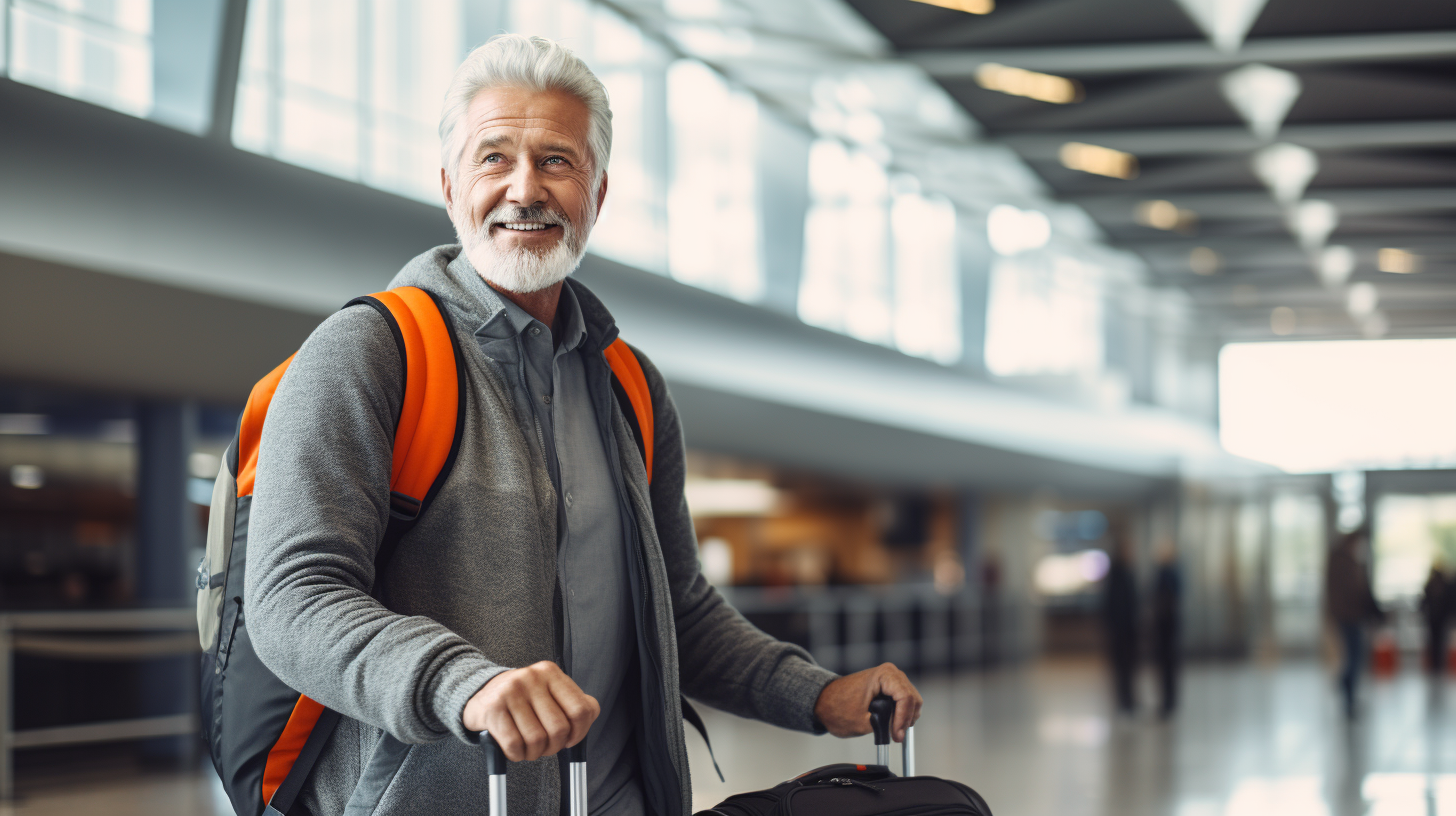
Embarking on a journey as a senior solo traveler can be an exhilarating and enriching experience, offering a unique opportunity to explore the world at your own pace and on your own terms. However, it also comes with its own set of challenges, from ensuring that you pack efficiently to managing medications and staying in touch with loved ones back home. This comprehensive guide is tailored specifically for senior adventurers who are eager to embrace the joys of solo travel while also staying safe and prepared. We’ll delve into practical advice covering everything from packing essentials and health precautions to navigating travel insurance and dealing with emergencies. Whether you’re a seasoned solo traveler or just starting to explore this exciting possibility, our tips and insights will help you enjoy a fulfilling and stress-free adventure.
Efficient Packing Strategies for Seniors
Packing Light and Smart
Traveling light is both an art and a science, especially for senior solo travelers. The key is to pack everything you need without burdening yourself with unnecessary items. Here are some essential tips to ensure your luggage is both light and sufficient.
Choose the Right Luggage: Opt for a lightweight, sturdy suitcase with spinner wheels for easy maneuverability. A suitcase with multiple compartments can help organize your items effectively.
Clothing and Footwear: Focus on versatility and comfort. Pack clothes that can be layered and are suitable for various weather conditions. Select comfortable, well-fitting shoes ideal for walking. Consider clothing with zippered pockets for added security.
Toiletries and Essentials: Prioritize travel-sized toiletries. If you have specific needs, such as sensitive skin, it’s wise to bring your own rather than rely on hotel products. Don’t forget a small first aid kit with basics like band-aids, pain relievers, and any personal medical items.
Tech Gadgets: Keep it minimal. A smartphone can serve multiple purposes, from a camera to a navigation tool. Consider bringing a small, lightweight tablet or e-reader for entertainment. Don’t forget chargers and possibly a portable battery pack.
Smart Organization: Use packing cubes or compression bags to maximize space and keep things organized. Roll clothes instead of folding to prevent wrinkles and save space. Place heavier items at the bottom of your suitcase for better balance.
Travel Documents and Money: Keep your travel documents, including passport, IDs, and insurance information, in an easily accessible but secure part of your bag. Use a money belt or a neck wallet to keep your money and cards safe.
Extras: Depending on the nature of your trip, consider items like a foldable cane, a lightweight umbrella, a travel pillow, or a small binocular for sightseeing.
Remember, the goal is to pack in a way that makes your travel comfortable and hassle-free. By following these tips, you can ensure that you have everything you need without the extra weight.
Managing Medications and Health Precautions
Managing Health and Medications
Traveling solo as a senior requires careful attention to health and medication management. Whether you’re on a short trip or a long journey, these tips will help you stay healthy and ensure your medications are managed effectively.
Organize Your Medications: Use a pill organizer to sort your medications by day and time. This not only saves space but also helps you keep track of your medication schedule. Always carry a list of your medications, their dosages, and the generic names, which can be useful in emergencies.
Carry a Doctor’s Note and Prescriptions: It’s advisable to have a note from your doctor explaining your medical conditions and prescriptions, especially for medications that are controlled substances. This can be crucial for customs and in case you need to visit a doctor abroad.
Pack Extra Medication: Always pack more medication than you think you’ll need, in case of travel delays or lost luggage. Keep medications in your carry-on bag to avoid issues if your checked luggage gets misplaced.
Stay Hydrated and Eat Well: Dehydration and poor diet can exacerbate health problems. Drink plenty of water and eat balanced meals. Avoid overindulgence in unfamiliar foods that might upset your stomach.
Know Your Limits: Be aware of your physical limitations and don’t push yourself too hard. Plan rest days in your itinerary and avoid over-scheduling activities.
Health Precautions for Destination: Research the health risks associated with your destination. This may include vaccinations or precautions against local health issues like malaria or altitude sickness. Consult your doctor before your trip for advice.
Travel Insurance with Medical Coverage: Ensure that your travel insurance covers medical expenses and understand how to use it. Know the procedure for seeking medical help in the countries you are visiting.
By planning ahead and taking these precautions, you can manage your health effectively and enjoy your travels with peace of mind.
Staying Connected While Traveling Solo
Staying Connected While Traveling Solo
Staying in touch with family and friends is not only comforting but also essential for safety when you’re a senior traveling alone. Here are some strategies to help you maintain communication no matter where you are in the world.
Leverage Technology: Smartphones and tablets are invaluable tools for staying connected. Apps like Skype, WhatsApp, and Zoom allow you to video chat and send messages over Wi-Fi. Ensure you understand how to use these apps before your trip.
Local SIM Cards or International Plans: Consider purchasing a local SIM card for your phone for easier and often cheaper access to local networks. Alternatively, check if your current mobile provider offers an affordable international plan.
Regular Check-ins: Set up a regular schedule to check in with family or friends. This could be a daily text, a quick phone call, or a shared location update using apps like Find My Friends or Google Maps.
Social Media: Use social media platforms to share updates about your journey. Facebook, Instagram, and travel blogs are great ways to document your travels and keep your loved ones informed.
Emergency Contacts and Information: Keep a list of emergency contacts, including family members, your hotel, and local emergency services, in both your phone and a physical copy in your luggage.
Backup Battery and Chargers: Carry a portable charger or power bank to ensure your phone stays charged during long outings. It’s also wise to have a backup charger in case one gets lost or damaged.
Cultural Considerations in Communication: Be aware of the local communication infrastructure and etiquette. In some destinations, internet access might be limited or monitored, and in others, local customs might dictate communication norms.
By incorporating these tips into your travel plan, you can stay connected and reassure both yourself and your loved ones back home, making your solo travel experience enjoyable and stress-free.
Understanding and Choosing Travel Insurance
Choosing the Right Travel Insurance
Travel insurance is a crucial element for any traveler, but it becomes even more vital for senior solo travelers. Here’s how to navigate the options and select the best coverage for your needs.
Comprehend What Travel Insurance Covers: Typically, travel insurance covers trip cancellations, medical emergencies, travel delays, and lost luggage. However, policies vary, so it’s essential to understand the specifics of what’s covered.
Seek Policies with Adequate Medical Coverage: As a senior traveler, prioritize policies with comprehensive medical coverage. This includes coverage for pre-existing conditions, emergency evacuation, and repatriation.
Compare and Contrast Different Policies: Use comparison websites to evaluate different travel insurance policies. Look for plans that cater specifically to senior travelers and solo adventurers.
Read the Fine Print: Pay close attention to the terms and conditions, especially the exclusions. Ensure you understand the procedure for filing a claim and what documentation is required.
Consider Multi-Trip Insurance for Frequent Travelers: If you travel often, a multi-trip annual policy might be more economical than purchasing separate policies for each trip.
24/7 Emergency Assistance: Choose a policy that offers round-the-clock assistance. This can be invaluable if you encounter issues during your travels and need immediate help.
Consult with Your Travel Agent or Insurance Broker: If you’re unsure, speak to a professional who can guide you to the right policy based on your travel plans and health status.
Selecting the right travel insurance can provide peace of mind, knowing that you are well-prepared for various scenarios that could arise during your travels.
Dealing with Emergencies
Handling Emergencies on the Road
When traveling alone as a senior, it’s important to be prepared for unexpected situations. Here are some practical tips for handling emergencies during your travels:
Emergency Contact Information: Always carry a list of emergency contacts, including family members, your country’s embassy, local emergency services, and your travel insurance provider.
Familiarize Yourself with Local Emergency Procedures: Each country has its own emergency response system. Familiarize yourself with the local emergency numbers and procedures of the places you are visiting.
Medical Emergencies: In case of a medical emergency, contact your travel insurance provider immediately. They can assist with finding medical facilities and ensuring you receive appropriate care. Always carry your medical information and a list of any allergies or conditions.
Lost or Stolen Items: If your belongings are lost or stolen, report the incident to the local police. Keep a separate record of your passport and credit card numbers to facilitate replacements.
Natural Disasters and Political Unrest: Stay informed about the current situation in your destination. In case of a natural disaster or political unrest, follow the advice of local authorities and check for updates from your embassy.
Stay Calm and Collected: In any emergency, staying calm is crucial. Take deep breaths and focus on addressing the situation step by step.
Backup Plan: Always have a backup plan, such as extra copies of important documents, additional medication, and a small emergency fund.
By being prepared and knowing how to respond, you can handle emergencies effectively, ensuring your safety and well-being while traveling solo.
Final Thoughts
Embarking on a solo journey in your senior years is not just about exploring new destinations; it’s about embracing a sense of adventure and independence. This guide has provided practical advice to help you prepare thoroughly for your travels, from efficient packing and managing medications to staying connected and handling emergencies. Each tip is designed to offer peace of mind, ensuring that your solo travels are as enjoyable and worry-free as possible.
Remember, the key to a successful solo trip lies in preparation and awareness. By following these guidelines, you can confidently navigate the challenges of solo travel, making your experiences enriching and memorable. So pack your bags, embrace the adventure, and enjoy the unique rewards that solo travel brings.