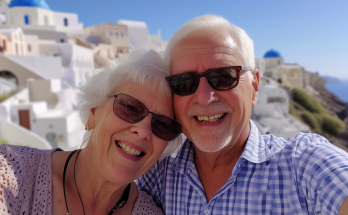

Traveling is a joy that knows no age limit. As more senior citizens and travelers aged 55 or older embrace the thrill of international exploration, understanding how to access medical care abroad becomes crucial. This article, “Traveling Wisely: Senior Citizens’ Guide to Health Care Outside the U.S.,” is designed to empower senior travelers with essential information and strategies to ensure their health and well-being while experiencing the wonders of the world.
Journeys abroad can be unpredictable, and the importance of being prepared, especially for medical emergencies, cannot be overstated. Whether it’s a weekend in Paris or a month-long safari in Africa, the need for reliable health care is universal. In this comprehensive guide, we’ll explore everything from preparing your health care needs before departure to navigating foreign health systems. We’ll provide insights into managing health insurance, locating reputable medical facilities, handling emergencies, and overcoming language barriers. Our goal is to ensure that your golden years’ adventures are not just memorable but also safe and secure.
With careful planning and the right knowledge, international travel can be both exhilarating and worry-free. Let’s embark on this journey together, ensuring you’re as prepared as possible for whatever comes your way.
Understanding Your Health Care Needs: Preparing for Travel as a Senior
Traveling as a senior citizen requires careful preparation, especially when it comes to health. Before embarking on your journey, it’s essential to assess and understand your health care needs. This preparation can be the difference between a smooth, enjoyable trip and one fraught with complications. Here’s how to prepare effectively:
- Comprehensive Medical Check-up
Before any trip, especially to a foreign country, it’s vital for seniors to get a comprehensive medical check-up. Your doctor can assess your fitness for travel, review your medications, and provide advice on managing any chronic conditions while abroad. This check-up is also an excellent opportunity to discuss vaccinations required for your destination and update any that are needed. - Medication Management
Ensure you have an adequate supply of all your medications for the duration of the trip. It’s also wise to carry a detailed list of these medications, including their generic names, as brand names can vary across countries. Keep medications in their original containers, clearly labeled, to avoid any issues at customs. - Health Documentation
Carry a health summary and a copy of your medical records, including information about any pre-existing conditions. This documentation should also include contact details of your primary care provider. In an emergency, this information can be invaluable for foreign medical providers. - Understanding Your Limitations
Be honest with yourself about your physical limitations and plan your trip accordingly. Avoid destinations that may be too demanding or places with limited medical facilities. It’s crucial to balance adventure with safety. - Dietary Considerations
If you have any dietary restrictions or special needs, research how well your destination can accommodate these. In some cases, it might be wise to carry some food items with you.
Taking these steps will not only give you peace of mind but also help ensure that your travel experiences are both safe and enjoyable. Remember, being well-prepared is the key to a successful and healthy journey.
Navigating Health Insurance for International Travel
Understanding and arranging the right health insurance is a critical step for senior citizens traveling outside the United States. It ensures that you are covered for any medical needs while abroad. Here’s what you need to know to navigate health insurance for your international travels effectively:
- Check Your Existing Health Insurance
Start by reviewing your current health insurance policy to see if it provides coverage overseas. Many domestic plans offer limited or no coverage in foreign countries. Medicare, for instance, typically does not cover health care costs outside the U.S., with a few exceptions. Knowing the extent of your current coverage is essential in determining what additional insurance you may need. - Travel Health Insurance
For coverage abroad, consider purchasing travel health insurance. These policies are specifically designed for travelers and can cover a range of medical services, from minor illnesses to major emergencies, including medical evacuation. When choosing a policy, consider factors like pre-existing condition coverage, the extent of medical benefits, evacuation coverage, and the process for filing claims. - Medical Evacuation Insurance
Medical evacuation can be extraordinarily expensive, and standard health or travel insurance policies may not cover it. Medical evacuation insurance covers the cost of getting you to a hospital in a major city or back to the U.S. if necessary. This type of insurance can be a lifesaver in destinations with limited medical facilities. - Understanding Policy Terms
Carefully read and understand the terms and conditions of any insurance policy you consider. Pay attention to coverage limits, deductibles, exclusions, and the requirements for making a claim. It’s important to know what is and isn’t covered and how the policy works. - Carry Proof of Insurance
Always carry proof of your insurance coverage with you while traveling. Keep a copy of your policy and the emergency contact numbers for your insurance provider. In an emergency, this information will be crucial for accessing services.
Navigating health insurance for international travel as a senior may seem daunting, but it’s an essential step in your travel preparations. With the right coverage, you can have peace of mind knowing that you’re protected against unforeseen medical expenses abroad.
Finding Reliable Medical Facilities Abroad
As a senior traveler, knowing how to find reliable medical facilities outside the United States is crucial. This knowledge can be a lifeline in case you need medical attention during your travels. Here’s a guide to help you locate the best possible care abroad:
- Research Before You Go
Before your trip, research the health care system of your destination. Look for hospitals and clinics that are accredited or recommended for international travelers. Many countries have hospitals that cater specifically to tourists and expatriates with English-speaking staff. Websites like the International Society for Travel Medicine can provide valuable resources. - Use Embassy Resources
The U.S. embassy or consulate in your destination country can be a helpful resource in finding medical care. They often have lists of local doctors and hospitals that meet American standards. It’s a good idea to keep the contact information of the nearest U.S. embassy or consulate handy. - Health and Travel Apps
Leverage technology to your advantage. Several apps are designed to help travelers find medical care abroad. These can include directories of local doctors, emergency services, and even telemedicine options. Make sure to download and familiarize yourself with these apps before your trip. - Travel Assistance Services
If your travel insurance policy includes travel assistance services, these can be an invaluable resource. They can help you locate medical facilities, arrange appointments, and sometimes even handle billing issues. - Network with Other Travelers
Sometimes, the best recommendations come from fellow travelers. If you’re staying at a hotel, hostel, or using a travel service, ask for recommendations. Often, they can direct you to reputable clinics and hospitals that they or other travelers have used.
Finding reliable medical facilities abroad requires some preparation, but having this information can make all the difference in ensuring you receive quality health care if needed. Remember, the goal is to enjoy your travels with the peace of mind that you’re well-prepared for any health-related eventualities.
Emergency Preparedness: What to Do in a Health Crisis While Abroad
Even with the best preparations, emergencies can happen. As a senior traveler, knowing what to do in a health crisis while abroad is crucial for your safety and well-being. Here’s a guide to help you navigate through such situations:
- Know Local Emergency Numbers
Each country has its own emergency contact numbers. Familiarize yourself with the local emergency numbers for medical services in the countries you’re visiting. Keep these numbers easily accessible at all times. - U.S. Embassy or Consulate Assistance
In an emergency, your local U.S. embassy or consulate can be a valuable resource. They can help you find medical services and communicate with family back home. Ensure you have the contact details of the U.S. embassy or consulate in your destination country. - Carry Essential Information
Always carry essential information, such as a list of your current medications, allergies, medical conditions, and emergency contacts. This information should be easily accessible and ideally translated into the local language of the country you are visiting. - Medical Alert Bracelets
Consider wearing a medical alert bracelet, especially if you have chronic conditions or allergies. This can provide crucial information to first responders in case you are unable to communicate. - Have a Plan for Medical Evacuation
If your condition requires specialized treatment not available locally, medical evacuation might be necessary. Ensure your travel insurance includes medical evacuation coverage. Keep the details of this coverage and the steps to activate it readily available.
Being prepared for a health crisis while abroad involves planning and knowledge of available resources. By being well-prepared, you can ensure that you receive the necessary care swiftly, minimizing stress and complications during what can be a challenging situation.
Cultural Considerations and Communication: Overcoming Language Barriers
Traveling as a senior citizen to a country with a different culture and language can be challenging, especially when it comes to health care. Understanding and respecting cultural norms and finding ways to communicate effectively are key to a smooth experience. Here’s how you can navigate these aspects:
- Learn Basic Phrases
Knowing some basic phrases in the local language, especially related to health and emergencies, can be incredibly helpful. Phrases like “I need a doctor,” “hospital,” or “emergency” are essential. Even a small effort in speaking the local language can go a long way in receiving assistance. - Use Translation Tools
Technology can be a great aid in overcoming language barriers. Mobile apps that translate in real-time can be invaluable in medical situations. Keep a reliable translation app downloaded on your phone and familiarize yourself with its functionality before your trip. - Understand Local Customs
Health care practices can vary widely around the world, influenced by cultural norms. Before traveling, research the local customs and health care practices of your destination. This knowledge can help you avoid misunderstandings and ensure respectful interactions with health care providers. - Carry a Medical Phrasebook
A medical phrasebook in the local language can be a useful tool. It can help you explain your symptoms, understand instructions from medical professionals, and navigate health care facilities more effectively. - Seek Cultural Guidance
If you’re unsure about cultural norms, don’t hesitate to ask for guidance from hotel staff, local contacts, or even fellow travelers. They can provide valuable insights into local customs and etiquette, particularly in a medical context.
Navigating cultural considerations and communication barriers requires patience and preparation. By being proactive and respectful, you can ensure that your medical needs are met effectively, regardless of language differences. This approach not only aids in receiving better health care but also enriches your overall travel experience.
Remember, traveling in your senior years can be a richly rewarding experience. With the right preparation and knowledge, you can explore new destinations confidently, knowing you’re well-equipped to handle any health-related issues that may arise. Embrace the opportunity to experience different cultures, landscapes, and perspectives, while keeping your health and safety a top priority.
We hope this guide helps you in planning safe and enjoyable travels. May your journeys be filled with adventure, joy, and peace of mind, knowing that you are prepared for the world and all its wonders.