
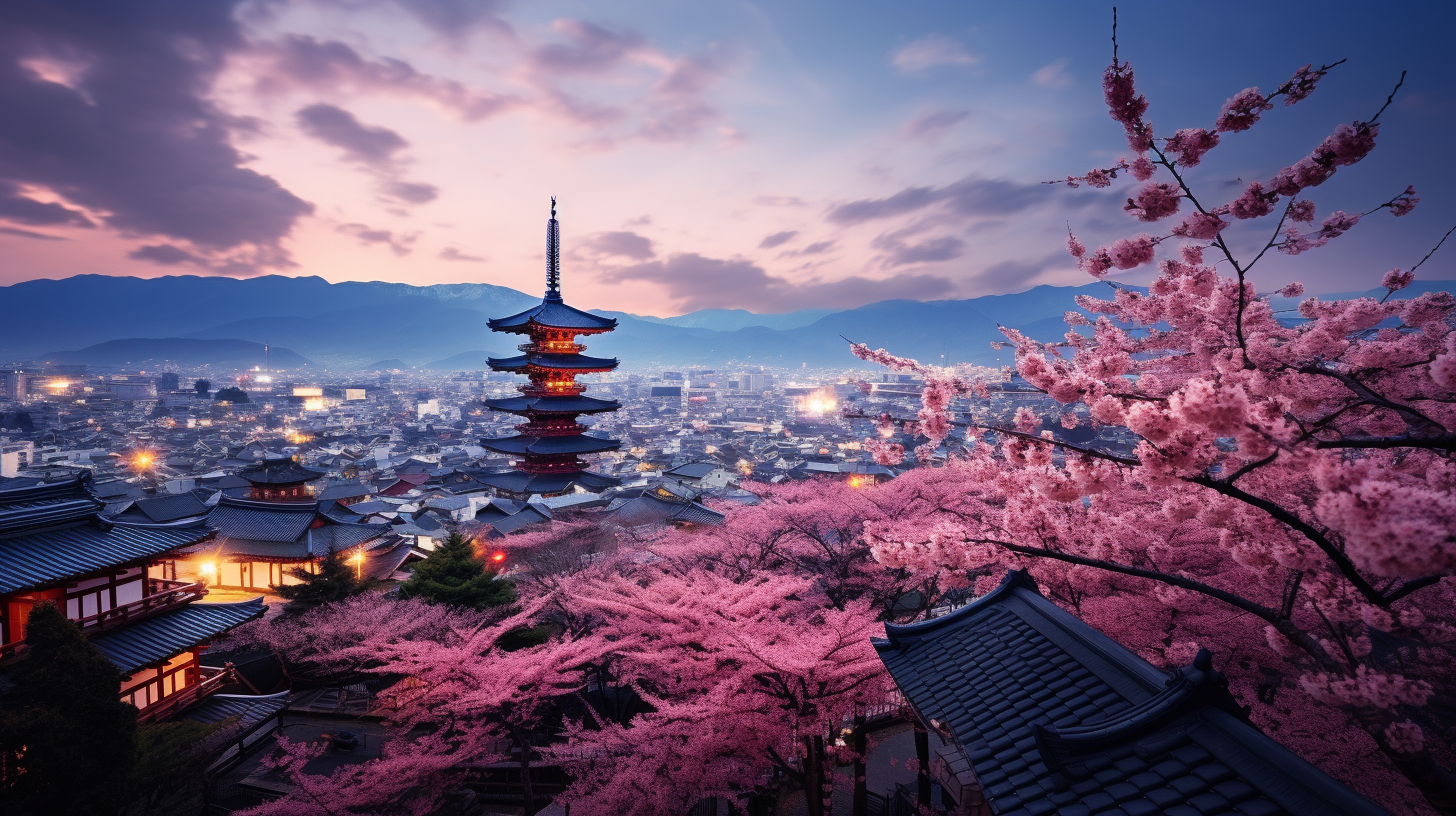
Welcome to Kyoto, a city where the past dances gracefully with the present, offering a serene yet vibrant travel experience for the senior explorer. Kyoto, the heart of Japan’s cultural heritage, has long been a favored destination for those who wish to immerse themselves in the depth of Japanese history, traditions, and natural beauty. It’s a city that respects the wisdom of age, making it a perfect getaway for senior travelers seeking both adventure and comfort.
Kyoto’s charm lies in its ability to embrace visitors of all ages, with its easily navigable streets, an abundance of serene spots for rest and reflection, and a wealth of attractions accessible to those who prefer a more leisurely pace. From the tranquil temples and gardens that have stood the test of time to the courteous and helpful nature of its people, Kyoto extends a warm welcome to those who carry a rich tapestry of experiences and an appreciation for the quieter, deeper joys of travel.
This guide is designed to help you, the wise wanderer, uncover the best of Kyoto without haste. We’ll explore the top accessible attractions, offering tips on how to enjoy each site’s beauty and tranquility without the rush. Transportation in Kyoto, with its efficient public transit system and senior-friendly services, will be demystified, ensuring you can move around the city with ease and confidence. Dining in Kyoto, a sensory delight, will be made simple with recommendations for places that cater to the taste and pace of the mature palate, including those with traditional seating arrangements and English menus. Accommodations are a crucial aspect of any trip, and we’ll provide insights into finding the perfect place to stay, where comfort meets traditional Japanese hospitality. Finally, practical tips and resources will ensure your journey is smooth, enjoyable, and enriched with the cultural depth that only Kyoto can offer.
Embark on this journey with us, as we delve into the heart of Kyoto, making unforgettable memories that resonate with the wisdom and grace of your golden years.
Top Accessible Attractions in Kyoto
Kyoto, a city celebrated for its rich history and cultural significance, offers a plethora of attractions that are not only breathtaking but also accessible, ensuring that senior travelers can explore and appreciate the beauty and heritage of Kyoto without worry. Here’s a closer look at some of the top accessible attractions in Kyoto that promise a fulfilling experience for the senior explorer.
The Golden Pavilion (Kinkaku-ji)
The Golden Pavilion, or Kinkaku-ji, is one of Kyoto’s most iconic landmarks. This Zen Buddhist temple is famous for its top two floors completely covered in gold leaf, reflecting beautifully over the pond it overlooks. The temple is surrounded by meticulously maintained gardens, offering a tranquil and picturesque setting. Paths around the garden are well-maintained and relatively flat, making it an enjoyable walk for visitors of all ages. Benches are placed at strategic points, offering spots to rest and soak in the serene views.
The Arashiyama Bamboo Grove
Another must-visit is the Arashiyama Bamboo Grove, known for its towering bamboo stalks that create a natural tunnel. The path through the grove is flat and well-paved, allowing for easy access, including those using mobility aids. The surrounding area of Arashiyama also offers a charming district to explore, with the Togetsukyo Bridge and Tenryu-ji Temple nearby, both accessible and worth visiting.
Nijo Castle
Nijo Castle, a UNESCO World Heritage site, is notable for its well-preserved architecture, beautiful gardens, and the “nightingale floors” of Ninomaru Palace, which chirp underfoot to alert of intruders. The castle grounds are vast but flat, and there are resting areas where visitors can sit and appreciate the peaceful atmosphere. The site offers wheelchair rental, making it convenient for those who may need mobility support.
Fushimi Inari Shrine
Fushimi Inari Shrine, famous for its thousands of vermilion torii gates, offers a unique and unforgettable experience. The shrine’s main grounds are accessible, and visitors can see the torii gates without having to hike the entire trail. This site is particularly friendly for those who wish to experience the spiritual and aesthetic beauty of Kyoto at their own pace.
Kyoto Imperial Palace
The Kyoto Imperial Palace, once the residence of Japan’s Imperial Family, now welcomes visitors to explore its grounds and gardens. The palace features flat, wide paths that are easy to navigate, and guided tours are available in English, offering insights into the history and cultural significance of the site. The gardens are a highlight, with their beautiful landscaping and seasonal flowers offering a peaceful retreat within the city.
These attractions highlight Kyoto’s commitment to accessibility, ensuring that senior travelers can fully enjoy the cultural richness and natural beauty of the city. Each location offers its own unique slice of Kyoto’s heritage, allowing visitors to step into the past and experience the serene elegance that defines this historic city.
Navigating Kyoto: Transportation Tips for Seniors
Exploring Kyoto, with its blend of historical charm and modern convenience, is an experience made easier by understanding the transportation options available. For senior travelers, knowing the most comfortable and accessible ways to navigate the city is key to a stress-free visit. Here are essential tips and recommendations for getting around Kyoto, ensuring you can move seamlessly from one attraction to another.
Utilizing Kyoto’s Public Transportation System
Kyoto’s public transportation system is robust and senior-friendly, consisting of buses and trains that connect all major tourist destinations. The city’s buses have priority seating for seniors and are equipped with ramps for wheelchair access, making them a convenient option for getting around. Additionally, the Kyoto City Bus One-Day Pass is highly recommended for unlimited travel, offering both convenience and value.
The Value of the ICOCA Card
For ease of use across different modes of transport, consider purchasing an ICOCA card. This rechargeable smart card can be used on buses, trains, and even some taxis, eliminating the need to purchase individual tickets or fumble for change. The card can be bought and recharged at train stations, making it a hassle-free choice for navigating Kyoto and the surrounding regions.
Taxis: A Comfortable Alternative
Taxis in Kyoto are a comfortable and convenient option, especially for those who may find public transportation challenging. They are readily available throughout the city and can be a sensible choice for direct travel to destinations not easily accessible by bus or train. Many taxis offer a slightly lowered step for easier access, and drivers are accustomed to assisting senior passengers.
Renting Mobility Aids
For those who require mobility aids, several services in Kyoto offer rental of wheelchairs and electric scooters. These can be delivered to your hotel and are a fantastic way to ensure you can explore extensively without fatigue. Information on these services can typically be found online or through your accommodation.
Guided Tours
Lastly, consider joining guided tours specifically designed for senior travelers. These tours often provide transportation as part of the package, taking the hassle out of navigating Kyoto. Additionally, they cater to a more leisurely pace and include plenty of breaks, making them a great option for those who prefer to explore in the company of others and gain insightful knowledge about the places they visit.
Navigating Kyoto doesn’t have to be a challenge. With these transportation tips tailored for senior travelers, you can enjoy the beauty and cultural richness of Kyoto at a pace that suits you best. Whether you prefer the independence of public transport or the comfort of a taxi, Kyoto’s accessible transportation options ensure your journey through this historic city will be as enjoyable as it is memorable.
Senior-Friendly Dining in Kyoto
Kyoto, a city celebrated for its culinary heritage, offers an array of dining experiences that cater to all ages, including senior travelers. From traditional Japanese cuisine to more contemporary options, Kyoto’s food scene is as accessible as it is diverse. Here are tips and recommendations for enjoying senior-friendly dining in Kyoto, ensuring every meal is a pleasure, not a challenge.
Embracing Traditional Japanese Cuisine
Kyoto is famous for its kaiseki dining, a traditional multi-course meal known for its meticulous preparation and presentation. Many kaiseki restaurants in Kyoto are accommodating to seniors, offering seating options such as tables and chairs instead of the traditional low dining tables with tatami mat seating. When making a reservation, inquire about the seating arrangements to ensure comfort throughout your meal.
Temples of Tofu: Exploring Kyoto’s Vegetarian Delights
Kyoto’s cuisine is also renowned for its tofu, particularly the silky-smooth yudofu, a hot tofu dish that is both simple and flavorful. Tofu restaurants often have serene settings, often in traditional wooden buildings with views of beautifully curated gardens. These settings not only provide a peaceful dining experience but also ensure a comfortable environment with easy access and seating.
Casual Dining and Accessibility
For a more casual dining experience, consider visiting one of Kyoto’s many soba (buckwheat noodle) or udon (thick wheat noodle) restaurants. These establishments typically offer table seating and are more accessible for those with mobility concerns. Noodle dishes are not only a staple of Japanese cuisine but also provide a hearty and satisfying meal, with many restaurants offering English menus to ease the ordering process.
Tea Houses: A Taste of Kyoto’s Cultural Heart
No visit to Kyoto is complete without experiencing a traditional Japanese tea house. While some tea houses may require sitting on the floor, many offer café-style seating arrangements. Enjoying a matcha tea along with a sweet wagashi (traditional Japanese confectionery) in the tranquil ambiance of a tea house is a delightful way to immerse yourself in Kyoto’s culture. Some tea houses also offer light meals, such as set lunches, providing a comfortable and culturally enriching dining experience.
Navigating Dietary Restrictions and Preferences
Kyoto’s restaurants are increasingly catering to diverse dietary needs, including vegetarian and gluten-free options. It’s advisable to research restaurants in advance or use a translation app to communicate dietary restrictions. Additionally, many places now have menus in English, and staff are often willing to accommodate special dietary requests to ensure a pleasant dining experience for all guests.
Dining in Kyoto as a senior traveler is an adventure in itself, offering a chance to savor the city’s rich culinary traditions in comfort and style. Whether you’re indulging in a formal kaiseki meal, enjoying the simple pleasure of a bowl of noodles, or sipping tea in a centuries-old tea house, Kyoto’s dining scene is sure to leave you with lasting memories of exquisite tastes and warm hospitality.
Accommodations and Relaxation in Kyoto for Senior Travelers
Finding the right place to stay is crucial for senior travelers, ensuring comfort, convenience, and a touch of local culture. Kyoto offers a wide range of accommodations that cater to the needs of older visitors, from traditional ryokans to modern hotels. Here’s how to find the perfect place to rest and relax during your stay in Kyoto.
Traditional Ryokans: Experiencing Japanese Hospitality
Staying in a ryokan, a traditional Japanese inn, is a must for those looking to immerse themselves in Japanese culture. Many ryokans in Kyoto are equipped with modern facilities and amenities to accommodate senior guests, including en-suite bathrooms and elevators. When booking, inquire about rooms with Western-style beds if you prefer not to sleep on futons laid out on tatami floors. Some ryokans also offer private onsen baths in the room, allowing you to enjoy the relaxing hot springs without having to leave your room or navigate communal bathing areas.
Modern Hotels with Traditional Touches
For those who prefer the conveniences of modern accommodations, Kyoto has numerous hotels that combine contemporary comfort with traditional Japanese aesthetics. Look for hotels that offer rooms with accessible bathrooms and amenities like seating areas and adjustable beds. Many hotels are strategically located near major tourist sites and transportation hubs, making them convenient bases for exploring the city.
Accessibility and Comfort
When selecting your accommodation, consider the location and its accessibility to public transportation, dining, and attractions you plan to visit. Many places in Kyoto offer senior-friendly amenities, such as wheelchair access and shuttle services to nearby attractions. Don’t hesitate to contact accommodations directly to discuss your needs and ensure they can provide the comfort and accessibility you require.
Relaxation and Wellness: Kyoto’s Onsen and Wellness Centers
Kyoto is also known for its onsen (hot springs) and wellness centers, offering a serene setting to relax and rejuvenate after a day of exploration. Some accommodations have their own onsen facilities, while public bathhouses and spa centers are also available throughout the city. Look for facilities that offer private bathing options or have specific hours for senior guests, ensuring a comfortable and relaxing experience.
Booking Tips
When booking your stay, consider using reputable travel websites that allow you to filter accommodations based on accessibility features, location, and amenities. Reading reviews from other senior travelers can also provide valuable insights into the suitability of accommodations and local attractions.
In Kyoto, finding the right accommodation and relaxation options can significantly enhance your travel experience, blending comfort with the opportunity to engage deeply with Japanese culture and hospitality. Whether you choose the traditional elegance of a ryokan or the modern conveniences of a hotel, your stay in Kyoto promises to be as restful as it is enriching.
Practical Tips and Resources for Senior Travelers in Kyoto
Traveling to Kyoto as a senior can be an enriching experience, especially with the right preparation and knowledge. Here are some practical tips and resources to help ensure your trip is as smooth and enjoyable as possible.
Health and Safety
Medical Facilities: Kyoto has excellent healthcare facilities, with many doctors and medical staff speaking English. It’s advisable to have travel insurance that covers medical expenses and to carry a list of local hospitals or clinics.
Pharmacies: Pharmacies are readily available throughout Kyoto. However, it’s recommended to bring sufficient supplies of any prescribed medications, as specific brands may not be available.
Communication
Language: While English is widely spoken in tourist areas, having a phrasebook or translation app can be helpful for more remote locations or specific needs.
Mobile Phones: Consider renting a Japanese SIM card or portable Wi-Fi device for easy access to maps, translation services, and emergency contact. These can be reserved online and picked up at the airport upon arrival.
Currency and Expenses
Cash is King: While credit card acceptance is increasing, many smaller establishments, temples, and buses still operate on a cash-only basis. Ensure you have sufficient yen, especially when traveling outside of major tourist areas.
ATMs: International ATM access is available at convenience stores like 7-Eleven and Lawson, as well as at post offices, making it easy to withdraw cash with a foreign card.
Cultural Etiquette
Respect Traditions: Kyoto is a city steeped in tradition. When visiting temples and shrines, observe local customs such as bowing at the entrance, washing hands at purification fountains, and removing shoes where required.
Quiet Enjoyment: Maintain a respectful volume when touring sacred sites and gardens. Kyoto’s cultural landmarks are places of reflection and peace.
Staying Connected
Tourist Information Centers: Located at major transport hubs and attractions, these centers provide maps, guides, and advice on navigating Kyoto. They can also offer recommendations for senior-friendly activities and events.
Emergency Services: In case of an emergency, dial 110 for police or 119 for ambulance and fire services. It’s also wise to have the contact information of your country’s embassy or consulate.
Sustainable Travel
Environmental Consideration: Kyoto is a city that prides itself on its natural beauty and historical preservation. Travelers are encouraged to respect the environment by minimizing waste, using public transport, and supporting local businesses.
By keeping these practical tips in mind, senior travelers can navigate Kyoto with confidence, enjoying all the cultural richness and beauty the city has to offer without unnecessary stress. From the majestic temples and gardens to the warmth of its people, Kyoto is a welcoming destination for visitors of all ages, promising a journey filled with discovery and delight.
Kyoto, a city where tradition and tranquility meet, offers a timeless journey to those who seek its charms. For the senior traveler, it represents not just a destination but a passage through history, culture, and natural beauty, all accessible and welcoming. From the golden reflections of Kinkaku-ji to the serene paths of the Arashiyama Bamboo Grove, the experiences are as diverse as they are profound.
This guide has aimed to provide a comprehensive pathway for senior explorers to navigate Kyoto with ease, comfort, and joy. By highlighting accessible attractions, offering transportation tips, recommending senior-friendly dining, detailing comfortable accommodations, and sharing practical advice, we hope to have prepared you for a journey as enriching as it is effortless.
Kyoto waits with open arms, ready to offer its peaceful gardens, majestic temples, and warm hospitality. It’s a city that honors the past while embracing the present, making it the perfect backdrop for creating new memories. As you walk its streets and explore its treasures, may you find the same tranquility and inspiration that have drawn travelers to its heart for centuries.
Remember, travel is not just about the places we visit but the experiences we embrace and the memories we create. Kyoto, with its blend of cultural richness and accessible adventures, promises a journey that resonates well beyond the return home. So pack your bags, bring your curiosity, and prepare for an unforgettable exploration of Kyoto, tailored just for you, the wise wanderer.