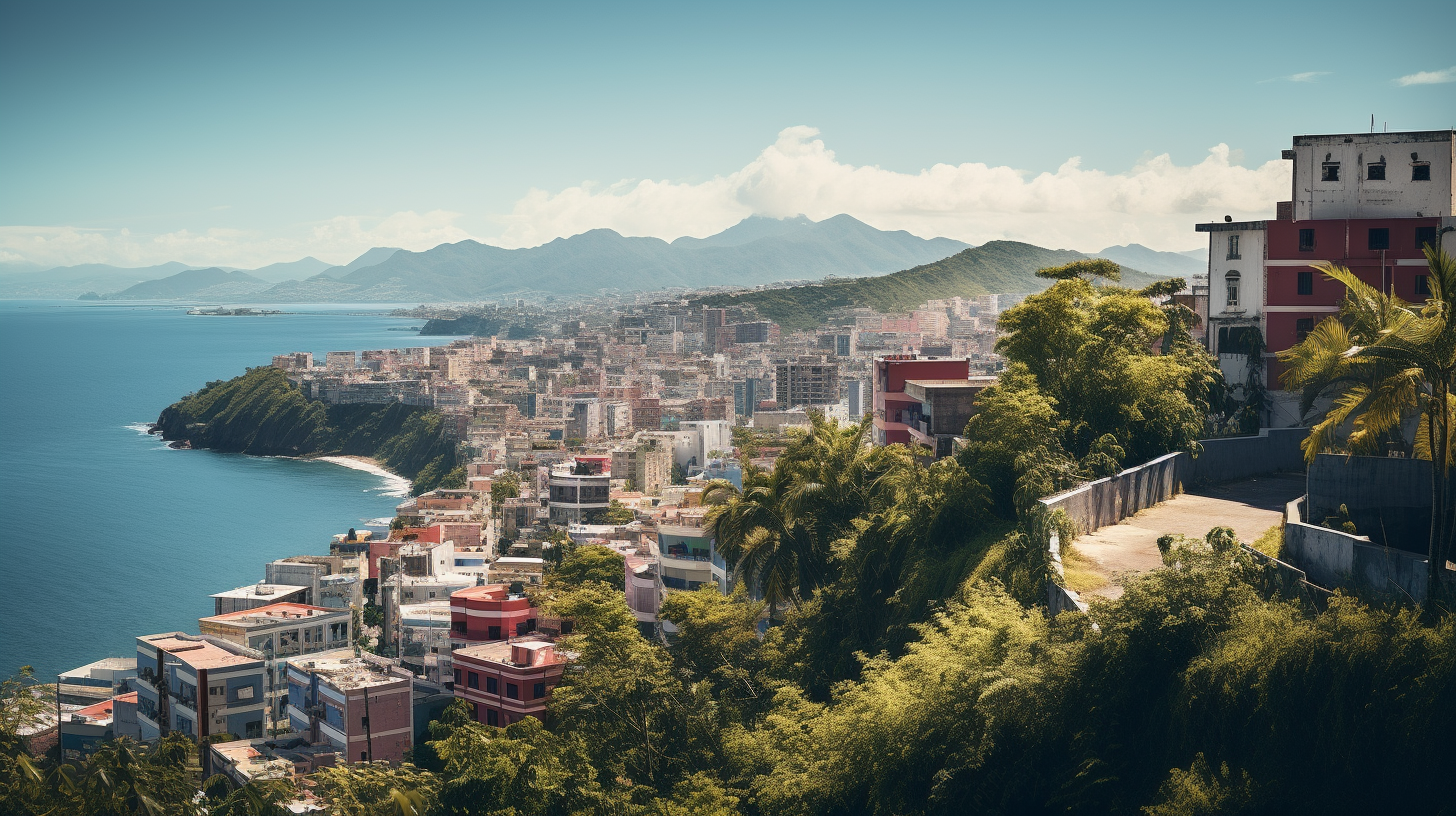
Nestled on the northeastern coast of Puerto Rico, San Juan stands as a city where history and modernity converge against a backdrop of stunning Caribbean beauty. As the capital city, San Juan is not only the most populous city in Puerto Rico but also one of the most vibrant cultural hearts in the Caribbean. Known for its rich history, which dates back to the Spanish Empire, the city offers a unique blend of old-world charm and contemporary allure.
From the colorful streets of Old San Juan, with its well-preserved Spanish colonial architecture, to the bustling modernity of the Condado and Santurce districts, San Juan is a city of contrasts. It’s a place where centuries-old fortresses overlook trendy beachside resorts and where traditional Puerto Rican sounds of bomba y plena music can be heard alongside the latest beats in trendy nightlife spots.
For travelers seeking an unforgettable Caribbean adventure, San Juan serves as the perfect starting point. With its tropical climate, friendly locals, and a myriad of cultural and historical treasures, the city promises a travel experience that is as enriching as it is exhilarating. Whether you’re exploring the cobblestone streets of the historic city center, indulging in the island’s rich culinary offerings, or enjoying a sunset on a pristine beach, San Juan offers a little something for every type of traveler.
In this comprehensive guide, we will explore the essential aspects of this enchanting city, from its must-visit historical sites to hidden gems that only locals know about. So pack your bags and prepare for an adventure in San Juan, where every corner tells a story and every moment is an opportunity for discovery.
Must-Visit Historical Sites in San Juan
San Juan, a city that effortlessly blends centuries of history with a lively contemporary culture, is home to some of the most significant historical sites in the Caribbean. These landmarks offer a window into the past, showcasing the rich tapestry of the city’s colonial heritage.
El Morro: A Sentinel Over Time
Perched on the northwestern-most point of Old San Juan, Castillo San Felipe del Morro, commonly known as El Morro, is a 16th-century fortress that has stood as a sentinel over the San Juan Bay for over four centuries. Designated as a UNESCO World Heritage Site, El Morro’s massive walls and imposing structure are a testament to Puerto Rico’s strategic importance during the Spanish colonial period. Visitors can explore its ramparts, dungeons, and old barracks, offering a glimpse into the island’s tumultuous history. The sprawling green lawns outside the fort are a popular spot for locals and tourists alike, perfect for flying kites or enjoying panoramic ocean views.
Castillo San Cristóbal: A Monumental Defense
Just a short walk from El Morro, Castillo San Cristóbal is another impressive fortification and part of the San Juan National Historic Site. Built by the Spanish to protect against land-based attacks on the city, this fort is the largest European-built structure in the Americas. Its sprawling complex of tunnels, barracks, and outposts is rich in historical significance. A tour through San Cristóbal’s ramparts offers a deep dive into the military engineering of the time and provides stunning views of the city.
San Juan Cathedral: A Beacon of History and Faith
The San Juan Cathedral, or Catedral de San Juan Bautista, stands as one of the oldest buildings in San Juan and is a must-visit for its historical and architectural significance. This cathedral, originally built in the 1520s and reconstructed in the 1800s, is a rare example of medieval architecture in the New World. It is the final resting place of Ponce de León, the famous explorer, and Spanish conquistador. The cathedral’s serene interior, with its stained-glass windows and religious art, offers a peaceful retreat from the bustling city streets.
La Fortaleza: The Governor’s Residence
La Fortaleza, or Palacio de Santa Catalina, has been the residence of the Governor of Puerto Rico since the 16th century, making it the oldest executive mansion in continuous use in the New World. Its bright blue façade is a striking feature in Old San Juan. While access to the interior is limited, guided tours are available, offering a unique insight into the island’s political history and a chance to admire the beautiful colonial architecture and well-manicured gardens.
Paseo de la Princesa: A Walk Through History
Completing our historical tour is a stroll down Paseo de la Princesa, a picturesque promenade lined with street vendors, local artisans, and musicians. This 19th-century walkway, with its antique street lamps and views of the bay, evokes the romance of old San Juan. The promenade leads to the Raíces Fountain, a symbol of Puerto Rico’s mixed African, Spanish, and Taino heritage.
These historical sites form the heart of San Juan, each telling its own story and collectively weaving the narrative of this enchanting city. As you explore these landmarks, you walk in the footsteps of history, experiencing the soul of San Juan.
San Juan’s Vibrant Culture and Cuisine
San Juan is not just a city of historical landmarks; it’s a vibrant tapestry of cultures, a place where traditions and modernity merge in colorful and unexpected ways. This section of our guide delves into the rich cultural fabric and culinary delights that make San Juan a unique and exciting destination.
The Pulse of Puerto Rican Music and Dance
The heart of San Juan’s culture beats to the rhythm of salsa, bomba, and plena. These musical genres, integral to the Puerto Rican identity, can be experienced throughout the city. The streets of Old San Juan come alive at night with the sounds of salsa music, inviting both locals and visitors to dance. For a truly local experience, visit La Placita de Santurce, a bustling marketplace by day that transforms into a vibrant nightlife hotspot with live music and dancing under the stars.
Bomba, a traditional Afro-Puerto Rican music and dance, is a powerful expression of the island’s heritage. Head to Loíza Street, known for its Afro-Caribbean culture, to witness bomba performances, where dancers and drummers engage in a dynamic call-and-response.
A Taste of Puerto Rico: Local Culinary Delights
Puerto Rican cuisine, or “cocina criolla,” is a delicious blend of Spanish, African, Taino, and American influences. San Juan offers a culinary journey through the flavors of the island. A must-try dish is the famous “mofongo,” made of mashed plantains mixed with garlic, olive oil, and pork cracklings, often served with a side of chicken, beef, or seafood.
Don’t miss out on sampling “lechón,” a slow-roasted pork dish, especially popular in the nearby town of Guavate. For seafood lovers, “ceviche” and “bacalaitos” (salt cod fritters) are local favorites. And of course, no Puerto Rican meal is complete without a cup of rich, locally grown coffee.
Art and Creativity in the Streets of San Juan
San Juan’s art scene is as vibrant as its music and cuisine. The city’s streets are adorned with colorful murals that tell stories of its history, people, and social movements. The Santurce district, in particular, is known for its street art and is home to the annual Santurce es Ley festival, which celebrates urban art and community revitalization.
For a more traditional art experience, visit the Museo de Arte de Puerto Rico, which showcases a vast collection of Puerto Rican art from the 17th century to the present.
Festivals: Celebrating Puerto Rican Culture
San Juan hosts numerous festivals throughout the year, celebrating everything from music and dance to food and history. The San Sebastián Street Festival in January is a highlight, featuring parades, music, dancing, and crafts. Other notable events include the Heineken JazzFest, the Puerto Rico Salsa Congress, and the Casals Festival, the latter being a tribute to classical music.
Shopping and Souvenirs: Bringing a Piece of San Juan Home
For those looking to take a piece of San Juan home, the city offers a variety of shopping experiences. From the designer stores of Condado to the artisanal crafts of Old San Juan, there’s something for every shopper. Popular souvenirs include handcrafted vejigante masks, traditional Puerto Rican coffee, and locally made rum.
Hidden Gems and Lesser-Known Attractions in San Juan
Beyond the well-trodden paths of its historic sites and vibrant cultural experiences, San Juan offers a wealth of hidden gems and lesser-known attractions that provide a unique perspective of the city. This part of our guide takes you off the beaten track to explore some of San Juan’s secret wonders.
Calle Cerra: A Hub for Urban Art
Tucked away in the Santurce district, Calle Cerra is a hidden treasure for art enthusiasts. This street, once overlooked, has been transformed into an outdoor gallery featuring large-scale murals and street art pieces by local and international artists. The vivid artworks depict a range of themes from social and political commentary to abstract art, making Calle Cerra a must-visit for those seeking a different artistic experience in San Juan.
The Gardens of Casa Blanca
Casa Blanca, the former residence of the family of Juan Ponce de León, is a lesser-known site in Old San Juan. While the historic house itself is a fascinating visit, the gardens are the real hidden gem. These beautifully maintained gardens offer a tranquil escape from the city’s hustle and bustle, with stunning views of the bay, lush greenery, and peacocked pathways.
La Perla: A Colorful Neighborhood with a Rich History
Nestled between the historic city walls and the Atlantic Ocean, La Perla is a neighborhood often missed by tourists. Known for its colorful houses and vibrant community spirit, La Perla offers a unique glimpse into the everyday life of San Juan’s residents. A walk through La Perla reveals stunning street art, local artisan shops, and breathtaking ocean views, making it a worthwhile detour for the adventurous traveler.
El Yunque Rainforest: A Natural Escape
While not in San Juan itself, no visit to Puerto Rico is complete without exploring El Yunque National Forest, the only tropical rainforest in the U.S. National Forest System. Located just an hour’s drive from San Juan, El Yunque offers a plethora of hiking trails, waterfalls, and exotic wildlife. The rainforest’s lush greenery and serene natural pools provide a perfect day trip for nature lovers.
Hacienda Santa Ana: Home of Ron del Barrilito
For rum enthusiasts, a visit to Hacienda Santa Ana, the home of Ron del Barrilito, the oldest rum distillery in Puerto Rico, is a must. Located in the suburb of Bayamón, a short drive from San Juan, this distillery offers a unique experience to learn about the traditional methods of rum production and sample one of the island’s finest rums.
The Kite-Flying Fields of El Morro
A delightful yet often overlooked activity in San Juan is kite flying on the fields outside El Morro fortress. This spot, with its constant breezes and open skies, is perfect for kite enthusiasts or families looking for a fun afternoon. The simplicity and joy of flying a kite in this historic setting provide a different way to enjoy San Juan’s charm.
These hidden gems in and around San Juan offer unique experiences that go beyond the conventional tourist attractions, allowing visitors to discover the city’s lesser-known but equally fascinating aspects.
Practical Tips for Travelers to San Juan
Traveling to San Juan, Puerto Rico, is an exciting adventure, but like any trip, it comes with its own set of considerations. This section offers practical advice to help you navigate San Juan, making your stay both enjoyable and hassle-free.
Best Time to Visit
San Juan is a year-round destination, but the best time to visit is typically from mid-April to June, after the busy winter season and just before the rainy summer. You’ll enjoy lower hotel rates and beautiful weather. Be mindful of hurricane season, which runs from June to November.
Language and Currency
Spanish is the primary language in San Juan, but English is widely spoken, especially in tourist areas. The currency is the US dollar, making it convenient for American travelers. Credit cards are accepted in most places, but it’s always good to have some cash, particularly for smaller vendors or in more remote areas.
Getting Around
San Juan has a variety of transportation options. While Old San Juan can be easily explored on foot, renting a car is a good idea if you plan to visit other parts of the island. Taxis and ride-sharing services like Uber are readily available. For a more local experience, try the public buses or the Tren Urbano, San Juan’s metro system.
Accommodation Options
San Juan offers a range of accommodations, from luxury resorts to budget-friendly hostels. For a more authentic experience, consider staying in a ‘parador’ (small, locally owned inn) or a vacation rental. Areas like Condado and Isla Verde are popular for beachfront hotels, while Old San Juan offers more historic and charming lodging options.
Local Etiquette
Puerto Ricans are known for their warm hospitality. A few things to keep in mind: tipping is customary and similar to the US (15-20% for good service), dress codes are generally casual, but some upscale restaurants and nightclubs may require more formal attire. It’s also respectful to greet people with a friendly “Buenos días” (good morning) or “Buenas tardes” (good afternoon).
Safety Considerations
San Juan is generally safe for tourists, but as with any city, it’s important to stay aware of your surroundings. Avoid isolated areas at night, and keep your valuables secure. The tourist areas are well-patrolled, but it’s wise to follow standard travel safety practices.
Local Cuisine and Drinking Water
Puerto Rican cuisine is a must-try. Street food, like “alcapurrias” (fried plantain fritters) and “empanadillas” (turnovers), offers a taste of local flavors. San Juan’s tap water is generally safe to drink, but if you’re exploring rural areas, bottled water is recommended.
Connectivity
Most hotels, cafes, and restaurants offer free Wi-Fi. Mobile coverage is good throughout the city, making it easy to stay connected.
By keeping these practical tips in mind, your visit to San Juan will be as smooth as it is memorable. Embrace the city’s vibrant culture, indulge in its culinary delights, and let the rhythm of this enchanting Caribbean paradise enchant you.
As we conclude our comprehensive guide to San Juan, Puerto Rico, it’s clear that this city is much more than just a picturesque Caribbean destination. It’s a place where history, culture, and modern vibrancy intertwine to create an unforgettable experience for every visitor. From the majestic forts of El Morro and San Cristóbal to the lively streets of La Placita de Santurce, each corner of San Juan tells a story worth exploring.
San Juan’s charm lies not just in its historic landmarks and vibrant cultural scenes but also in its lesser-known gems and the warmth of its people. Whether you’re savoring the flavors of Puerto Rican cuisine, dancing to the rhythms of salsa and bomba, or simply enjoying a sunset on a beautiful beach, San Juan promises a journey filled with wonder and discovery.
Remember to travel with an open heart and mind. Embrace the local culture, engage with the community, and immerse yourself in the rich tapestry that makes San Juan a unique and enchanting destination. With the practical tips provided, your trip to San Juan is bound to be both enjoyable and hassle-free.
So pack your bags, bring your sense of adventure, and get ready to explore San Juan, Puerto Rico – a city where every moment is a memory in the making, and every experience is a treasure to be cherished.