
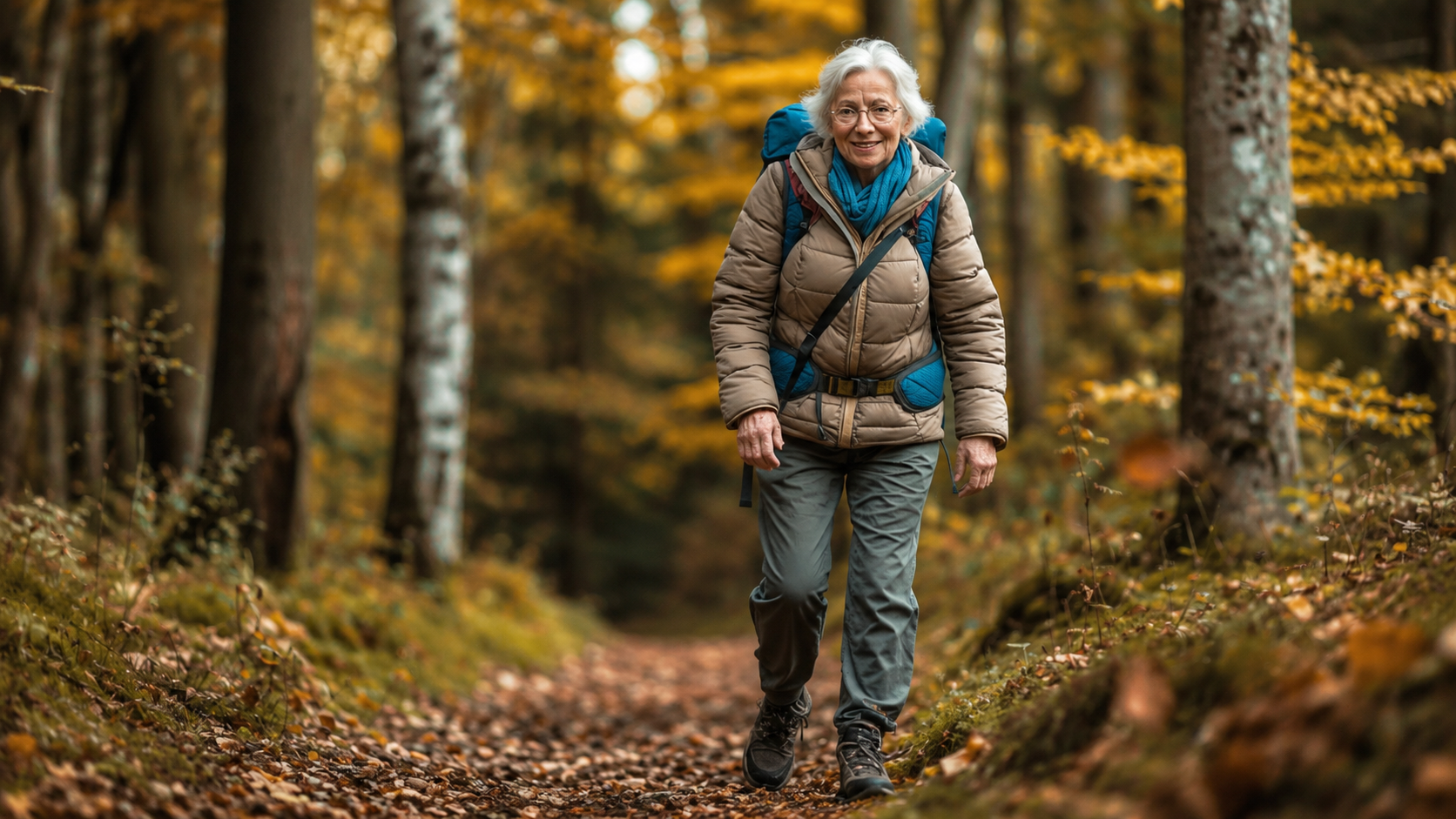
Embarking on a solo backpacking journey may seem like a youthful endeavor, but it’s an adventure that knows no age. For seniors, the call of the wild offers not just a breath of fresh air but a fountain of youth, brimming with opportunities for personal growth, freedom, and the joy of discovery. “Golden Adventures: Discovering the 5 Hidden Perks of Solo Backpacking After 60” is not just an article; it’s a doorway to a world where age is but a number, and the horizon is ripe with possibilities.
In recent years, a growing number of seniors have strapped on their boots, packed their backpacks, and set out to explore the world on their own terms. This surge in solo senior backpacking is not a trend but a testament to the timeless spirit of adventure that dwells within us all. Whether you’re a seasoned hiker or a novice eager to step onto the path less traveled, solo backpacking as a senior offers a unique blend of challenges and rewards.
This journey is about more than just scenic vistas and physical feats; it’s about discovering the unexpected benefits that can enrich your golden years. From enhancing your sense of independence to connecting with a community of like-minded adventurers, solo backpacking opens up a world of possibilities. It invites you to push your boundaries, embrace the unknown, and rediscover yourself in the process.
As we explore the five hidden perks of solo backpacking after 60, we invite you to see this not as a guide but as a companion on your journey. Whether you’re contemplating your first solo trip or looking to deepen your backpacking experiences, this article aims to inspire, inform, and ignite a spark of adventure in your heart. Let’s step into the world of solo backpacking together, where every trail leads to discovery, and every step is a stride towards personal fulfillment.
Enhanced Sense of Freedom and Independence
One of the most profound experiences that solo backpacking offers to seniors is an unparalleled sense of freedom and independence. After years of fulfilling responsibilities towards family, work, and society, stepping out into the wilderness alone can feel like opening a new chapter where the only person you’re accountable to is yourself. This remarkable journey into nature’s embrace allows you to set your pace, choose your path, and make decisions based solely on your desires and needs at the moment.
Embracing the Liberty of Choice
Solo backpacking strips away the need for consensus and compromise that often accompanies group travel. Here, in the solitude of nature, you’re the master of your itinerary. Want to linger by a stream, captivated by the dance of light on water? Or perhaps change your route on a whim to follow a trail that catches your eye? Solo travel empowers you with the liberty to follow your instincts and curiosities, leading to a deeper connection with your environment and yourself.
Rediscovering Self-Reliance
There’s something incredibly empowering about relying on your skills and resourcefulness in the wilderness. Navigating trails, setting up camp, and solving unexpected challenges reinforce a sense of competence and self-reliance. For seniors, this can be particularly invigorating, challenging the societal narrative around aging and capability. It’s a reminder that you are capable of more than you, or others, might think.
The Freedom to Be Yourself
Solo backpacking also offers a rare opportunity to shed societal roles and expectations. Out in the wilderness, titles and accomplishments hold little significance. This freedom from judgment encourages you to reconnect with who you are at your core, away from the labels that society often assigns. It’s a chance to rediscover passions, hobbies, and parts of your personality that may have been overshadowed by the busy demands of daily life.
The Courage to Face Fears
Embarking on a solo adventure, especially in the later stages of life, requires courage. It’s a bold statement against the fears that often become more pronounced with age—fear of the unknown, of physical limitations, or of solitude. By stepping out of your comfort zone and embracing the challenges of solo backpacking, you’re not just exploring new landscapes; you’re also confronting these fears head-on, transforming them into confidence and strength.
The freedom and independence that come with solo backpacking are not just about the physical journey; they’re about embarking on an internal voyage towards self-discovery and empowerment. For seniors, this adventure offers a unique space to celebrate autonomy, challenge preconceived limits, and revel in the joy of self-reliance. It’s a powerful reminder that adventure doesn’t retire, and neither should you.
Elena, 55
Elena embarked on her first solo backpacking trip through the Appalachian Trail as a way to celebrate her 55th birthday. She sought solitude and a break from her role as a caregiver. What she found was a profound sense of independence and a connection to nature that she had never experienced before. The biggest challenge for Elena was overcoming her fear of being alone at night in the wilderness. She conquered this fear by focusing on the sounds of nature as a soothing presence, transforming her fear into a deep appreciation for the natural world.
Physical and Mental Health Benefits
Physical and Mental Health Benefits
The allure of solo backpacking extends far beyond the scenic vistas and the quiet solitude; it encompasses significant physical and mental health benefits, especially for seniors. Engaging with nature on these solitary treks offers more than just a breath of fresh air—it serves as a holistic remedy that rejuvenates the body, sharpens the mind, and soothes the soul.
A Natural Boost to Physical Health
Solo backpacking is a fantastic way to maintain and improve physical health. The activity itself is a form of low-impact, cardiovascular exercise that can be adjusted to your fitness level. Whether you’re traversing gentle hills or challenging terrains, each step strengthens your muscles, improves your balance and coordination, and enhances cardiovascular health. Importantly, the flexibility to set your own pace allows for a personalized exercise routine that respects your body’s limits and goals.
For seniors, regular physical activity like backpacking can help manage or prevent heart disease, diabetes, and certain types of cancer. It also plays a crucial role in maintaining healthy bones, muscles, and joints, reducing the risk of osteoporosis and arthritis. The act of carrying a pack, navigating trails, and setting up camp promotes agility and functional fitness, critical components of healthy aging.
Mental Health and Cognitive Clarity
The mental health benefits of solo backpacking are just as significant. Immersing yourself in nature has been shown to reduce stress, anxiety, and depression. The solitude of backpacking allows for a mental break from the daily digital overload, offering a sense of peace and tranquility that’s hard to find in the hustle and bustle of modern life. This disconnection from everyday stresses encourages mindfulness and presents an opportunity to live in the moment, appreciating the beauty and serenity of the natural world.
Moreover, navigating new environments and facing the unpredictability of the wilderness can stimulate cognitive functions. Seniors embarking on solo backpacking trips engage in problem-solving, route planning, and decision-making, activities that keep the mind sharp and promote cognitive health. This mental stimulation is essential for maintaining brain health and can contribute to a reduced risk of cognitive decline and diseases such as Alzheimer’s.
Emotional Resilience and Well-being
The emotional rewards of solo backpacking are profound. Overcoming the challenges and fears associated with solo treks builds emotional resilience, fostering a sense of accomplishment and self-worth. This boost in confidence can spill over into other areas of life, encouraging a more positive outlook and a greater willingness to engage in new experiences.
Additionally, the act of spending time alone in nature can lead to significant introspection and emotional healing. It’s an opportunity to process thoughts and feelings in a supportive, natural setting, leading to greater emotional well-being and personal growth.
Solo backpacking as a senior offers a unique blend of physical and mental health benefits that can enhance quality of life, promote longevity, and foster a deeper connection with oneself and the natural world. By stepping into the wilderness, seniors not only embrace the physical journey but also embark on a path of mental and emotional discovery that can transform their golden years into a period of unparalleled growth and well-being.
Susan, 68
Susan, a widow, turned to solo backpacking as a way to cope with her grief and find a new sense of purpose. She was drawn to the tranquility of nature and the opportunity for introspection. The simplicity of life on the trail helped her to process her loss and begin healing. Susan’s main challenge was building the confidence to embark on her first solo trip. With each step, she grew stronger, finding solace in her ability to navigate the wilderness on her own terms.
Opportunities for Deep Personal Reflection
Solo backpacking provides a rare and valuable space for deep personal reflection, a benefit that becomes increasingly significant in one’s senior years. Amidst the tranquility of nature and the rhythm of solitary hiking, seniors can engage in a level of introspection that is often elusive in the constant buzz of daily life. This journey into the self is not just about solitude; it’s about reconnecting with one’s inner voice, reassessing life’s priorities, and finding peace and clarity amidst the natural world’s timeless beauty.
A Canvas for Self-Discovery
The natural setting of a solo backpacking trip acts as a canvas for self-discovery. Without the distractions of technology, societal expectations, and the immediate demands of others, seniors can focus inward, exploring thoughts, feelings, and memories that surface along the way. This process can lead to profound insights about one’s life, revealing new passions, desires, and avenues for personal growth. It’s an opportunity to reassess what truly matters and to make peace with past decisions, fostering a sense of contentment and fulfillment.
The Solitude of Nature as a Catalyst for Growth
The solitude experienced while backpacking solo is not about loneliness; it’s a form of companionship with oneself and the natural world. This unique solitude acts as a catalyst for growth, encouraging seniors to confront their fears, challenge their limitations, and embrace their strengths. It’s a time to celebrate achievements, acknowledge regrets, and make peace with the inevitability of aging. By facing oneself so directly, seniors can emerge from their journey with a renewed sense of purpose and a deeper appreciation for the life they’ve lived and the adventures yet to come.
Meditation in Motion
Walking alone, surrounded by the beauty of the wilderness, can be a form of meditation in motion. The rhythmic pattern of footsteps, the sound of the wind through the trees, and the sight of the path unfolding ahead can induce a meditative state, calming the mind and easing the soul. This moving meditation enhances mindfulness, allowing seniors to fully immerse in the present moment, appreciating the simple joy of being alive and in harmony with nature.
Enhanced Emotional Well-being
The act of solo backpacking encourages a dialogue with oneself, fostering a deeper understanding and acceptance of personal emotions and thoughts. This heightened self-awareness can lead to improved emotional well-being, as seniors learn to navigate their feelings with compassion and empathy. The challenges and rewards of the journey also cultivate resilience, teaching the valuable lesson that emotional strength is not the absence of vulnerability but the ability to persevere despite it.
For seniors, the opportunities for deep personal reflection offered by solo backpacking are a gateway to inner peace, self-acceptance, and emotional growth. It’s a journey that transcends the physical, touching the very essence of what it means to be human. Through the lens of nature’s vast, unspoiled beauty, seniors can explore the depths of their soul, emerging with a clearer vision of their past, present, and future.
Linda, 57
Linda sought to break free from the monotony of her daily routine and discover more about herself by solo backpacking through national parks. She relished the freedom to make spontaneous decisions and the joy of meeting new people along the trail. Linda faced the challenge of navigating unfamiliar territories, both physically and emotionally. By trusting her instincts and embracing the unknown, she found a new level of confidence and a deeper connection with the world around her.
Building New Relationships and Community Connections
Contrary to the solitary nature of the journey, solo backpacking as a senior can open the door to building new relationships and forging strong connections with a community of like-minded individuals. The trails offer a unique social environment where age, background, and life stories intersect, creating opportunities for meaningful interactions and friendships rooted in shared experiences and mutual respect for nature.
The Trail as a Meeting Ground
The backpacking trail acts as a meeting ground, a place where seniors can encounter fellow adventurers from diverse walks of life. These interactions, whether brief exchanges or shared campfires, are built on a foundation of common interests and a shared love for the outdoors. The mutual challenges and triumphs experienced on the trail can quickly turn strangers into companions, offering seniors a sense of belonging and camaraderie that might be harder to find in their everyday environments.
Breaking Stereotypes and Building Bridges
Solo backpacking also allows seniors to challenge societal stereotypes about aging and capability. By engaging with younger hikers and sharing their stories, seniors can dispel misconceptions and inspire others with their resilience, wisdom, and adventurous spirit. These interactions not only enrich the senior’s experience but also build bridges between generations, fostering mutual understanding and respect.
Expanding Social Networks Through Shared Interests
Participating in backpacking and outdoor activities can significantly expand a senior’s social network. Joining hiking clubs, participating in organized treks, or engaging in online forums dedicated to backpacking enthusiasts are excellent ways to connect with others who share a passion for adventure. These connections can lead to lasting friendships, providing a support system and a sense of community that enriches the solo backpacking experience.
The Role of Technology in Connecting Adventurers
In today’s digital age, technology plays a crucial role in connecting solo backpackers with a wider community. Social media platforms, blogs, and online forums offer spaces where seniors can share their experiences, seek advice, and connect with other solo adventurers. These digital connections can lead to real-world friendships, group expeditions, and a sense of belonging to a global community of backpackers.
Solo backpacking as a senior is not just a journey of self-discovery and personal challenge; it’s also a pathway to building new relationships and strengthening community connections. The trails offer a unique environment for meaningful interactions, breaking down barriers and fostering a sense of belonging among adventurers of all ages. Through these shared experiences, seniors can find companionship, support, and a vibrant community that celebrates the spirit of adventure and the richness of life at every age.
The Joy of Learning and Adaptability
Embarking on solo backpacking adventures later in life is not just about embracing the beauty of the natural world; it’s also a profound journey into the joy of learning and the art of adaptability. For seniors, these experiences offer invaluable lessons in flexibility, problem-solving, and the continuous pursuit of knowledge, reinforcing the idea that one is never too old to learn something new or to adapt to changing circumstances.
Embracing New Skills and Knowledge
Solo backpacking demands a wide range of skills, from navigation and camp setup to managing food and ensuring personal safety. For many seniors, acquiring these skills or updating existing ones presents a thrilling challenge and an opportunity for growth. The process of learning how to use modern technology, like GPS devices or lightweight camping gear, can be particularly rewarding, bridging the gap between traditional outdoor knowledge and today’s digital advancements.
Adaptability on the Trail
The unpredictable nature of backpacking – changing weather, varying trail conditions, and unexpected obstacles – teaches invaluable lessons in adaptability. Seniors learn to adjust their plans, make quick decisions, and find creative solutions to problems. This flexibility is a critical life skill, enhancing one’s ability to navigate the uncertainties of daily life with grace and resilience.
The Mental Stimulation of Continuous Learning
Engaging in new activities and continuously learning has been shown to have significant cognitive benefits, especially for seniors. The mental stimulation involved in planning trips, learning about different environments, and acquiring new outdoor skills can help maintain cognitive health, potentially slowing the progression of age-related cognitive decline. Solo backpacking, with its endless opportunities for learning, becomes a powerful tool for keeping the mind sharp and engaged.
The Satisfaction of Overcoming Challenges
There is a unique satisfaction that comes from facing and overcoming the challenges of solo backpacking. For seniors, conquering a steep trail, navigating a complex route, or mastering the use of new technology can boost self-esteem and foster a sense of achievement. These victories, big or small, contribute to a more positive outlook on life, reinforcing the belief in one’s abilities and resilience.
A Lifelong Journey of Discovery
Solo backpacking as a senior is more than an exploration of the world; it’s a testament to the lifelong journey of discovery and learning. It’s a reminder that age is not a barrier to new experiences, but rather an invitation to continue growing, adapting, and embracing the joy of the unknown. Through the challenges and rewards of these adventures, seniors can discover new aspects of themselves and the world around them, enriching their lives with every step.
The journey of solo backpacking offers seniors not just an escape into nature but a profound engagement with the joy of learning and the necessity of adaptability. It’s a celebration of the capacity to grow and adapt at any age, fostering a spirit of curiosity and resilience that enriches every aspect of life. For seniors, the trails beckon not just as paths through the wilderness but as avenues for lifelong learning, personal growth, and the continuous pursuit of adventure.
As we draw the curtains on our exploration of “Golden Adventures: Discovering the 5 Hidden Perks of Solo Backpacking After 60,” it’s clear that the journey of solo backpacking is much more than a physical venture into the wilderness. It is a deeply enriching experience that offers seniors a unique blend of freedom, health benefits, personal reflection, social connections, and lifelong learning opportunities. Each step taken on this path not only traverses the physical landscapes but also navigates the rich terrains of personal growth, resilience, and discovery.
Solo backpacking in the senior years challenges the conventional narratives about aging, proving that adventure knows no age limit. It underscores the importance of embracing each moment with courage, curiosity, and an open heart. The trails offer endless lessons in independence, adaptability, and the joy of life, inviting seniors to redefine their golden years as a time of exploration, both of the world and of themselves.
Moreover, the connections made, the challenges overcome, and the tranquility found in the heart of nature enrich the lives of senior backpackers in ways that reverberate far beyond the trails. These experiences cultivate a renewed sense of purpose, a deeper understanding of oneself, and a greater appreciation for the beauty and diversity of the world around us.
As we conclude this journey, let it be a beginning rather than an end—a starting point for seniors everywhere to lace up their boots, pack their bags, and step out into the grand adventure of solo backpacking. Whether you seek the serenity of solitary walks, the thrill of new challenges, or the joy of learning at every turn, the trails await with open arms and endless possibilities. Embrace the adventure, for in every step lies a story, and in every journey, a chance to rediscover the boundless spirit of youth that dwells within us all.
This conclusion aims to inspire and motivate seniors to consider solo backpacking as a viable and enriching option for adventure, emphasizing the overarching themes of freedom, growth, and connection. If you’re satisfied with the content and tone of this article, let me know if there’s anything else you’d like to add or modify. Otherwise, we can proceed to the next steps in preparing your article for publication.